Charles
Turns changes between database snapshots into concise, interpretable explanations. It infers and ranks transformations across data partitions, letting users balance accuracy and simplicity when exploring how their data evolved.

I research database management for better human interaction at the University of Utah, advised by Professor Anna Fariha. I completed my undergraduate degree in Computer Science and Engineering at BUET, where I also worked as a research assistant.
Turns changes between database snapshots into concise, interpretable explanations. It infers and ranks transformations across data partitions, letting users balance accuracy and simplicity when exploring how their data evolved.
Predicts what each analytical session will query next and when it will arrive. It decides whether there is enough time and expected benefit to build a shared view, or whether an existing plan or view is sufficient, balancing reuse, uncertainty, and build and storage costs.
Investigates how changing data semantics and stale assumptions cause misleading charts without runtime errors. The project develops methods to detect these defects and repair the underlying data or visualization code.
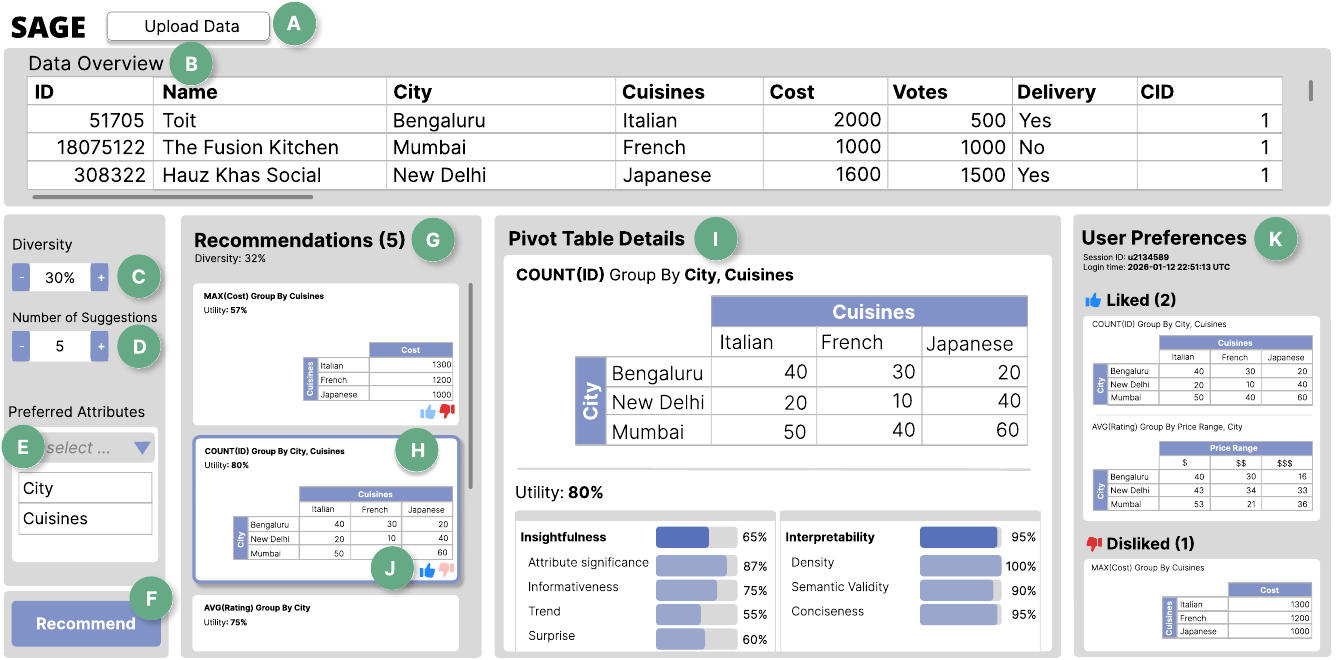
Recommends diverse, interpretable pivot tables using data semantics and an optimized greedy algorithm. Users steer recommendations through attribute preferences, diversity controls, and feedback.
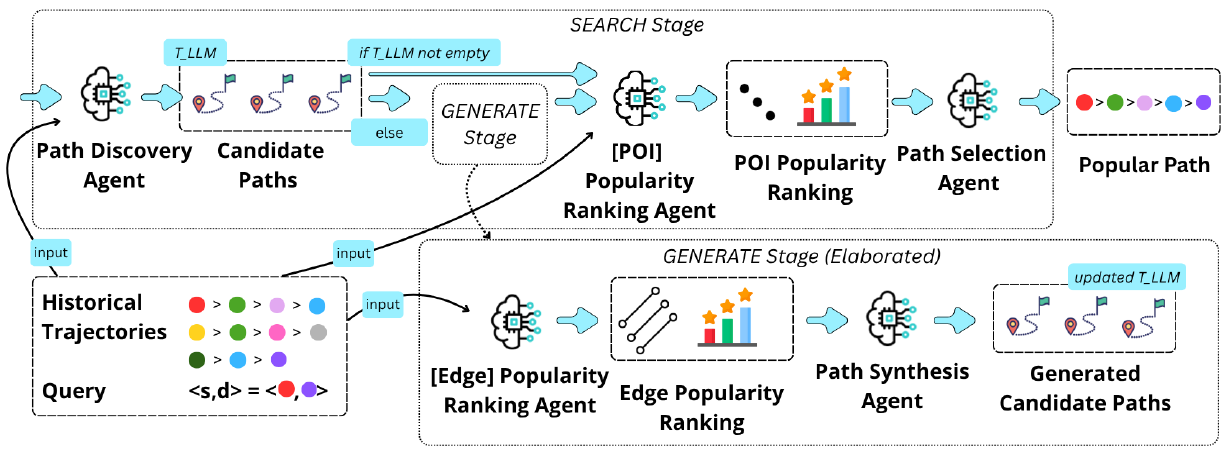
A training-free multi-agent framework for popular route queries. SEARCH ranks existing paths; GENERATE builds traversable candidates from observed route segments when no complete route exists.
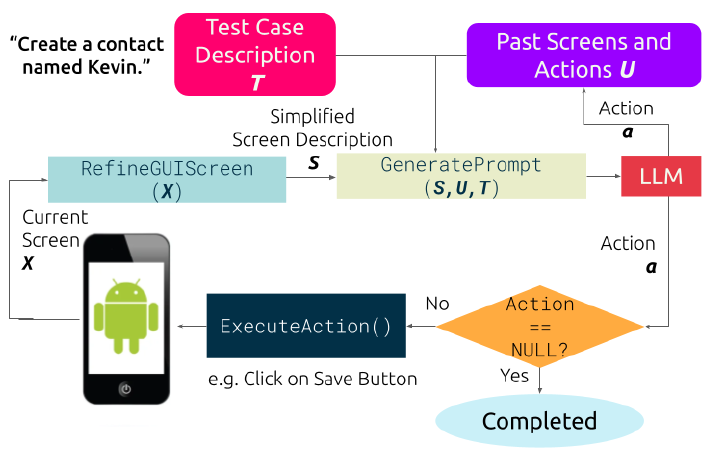
Executes natural-language Android tests through LLM-guided screen refinement, action planning, and error recovery. Across 390 tests in 10 apps, GPT-4o success rose from 65% to 73% after ambiguous descriptions were clarified.
Funded by Samsung R&D Institute Bangladesh.